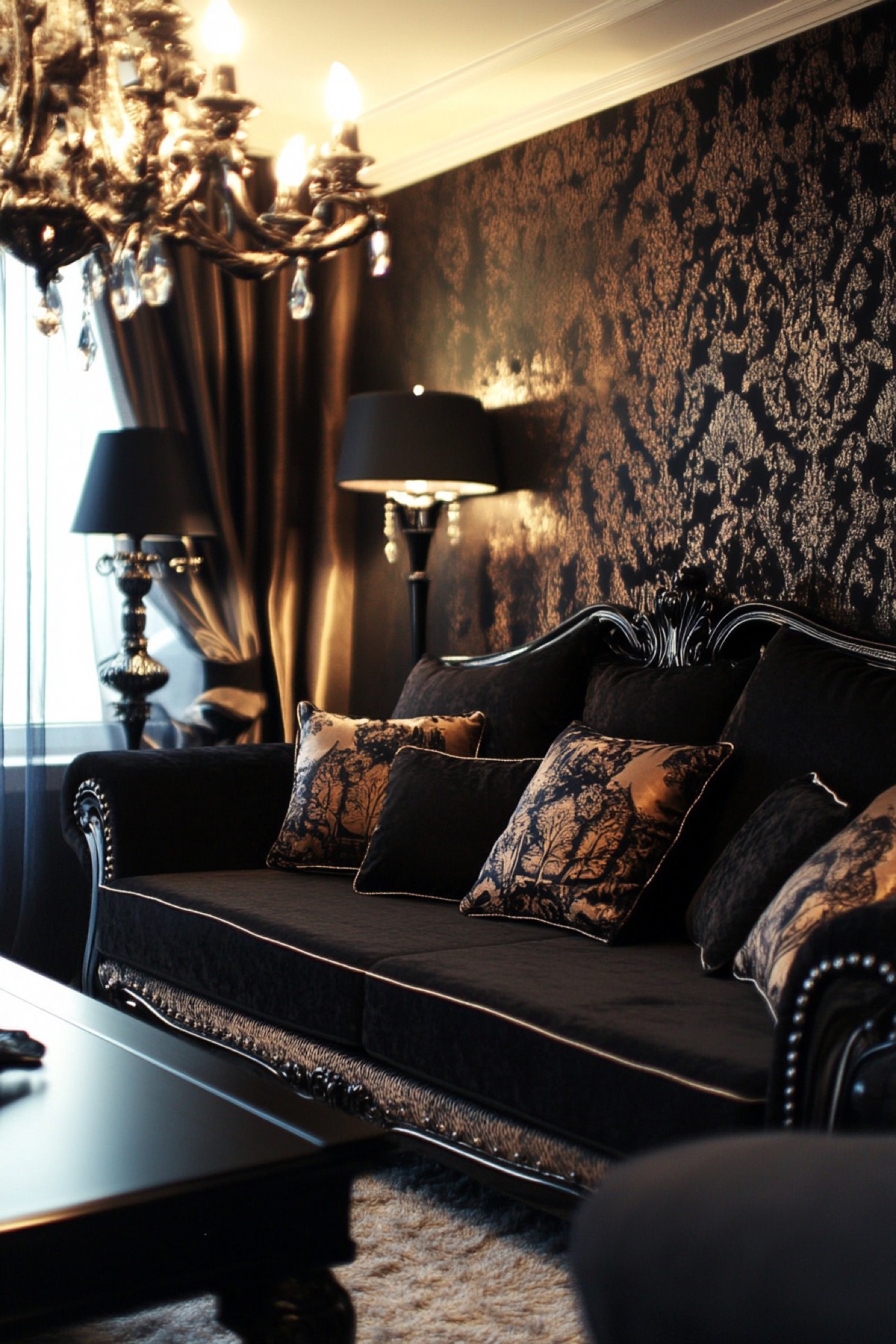
A library of textures — surfaces with an age.
Digitised textures of antique objects: wood, bronze, fabric, gesso — for collages, moodboards and renders. Plus a reference of period materials and 3D objects.
WHAT'S INSIDE
Surface scans
Bronze patina, worn morocco, damask, oak, gesso — high resolution, one consistent light. Not a mock-antique texture, but a cast of a real object.
Materials by period
How Victorian veneer differs from Art Deco, how bronze ages, what gesso is: a dictionary of materials for precise concepts.
Objects in the round
Models of objects for renders and scenes: an object can be turned, set into a room, fitted into a frame — not merely examined.
For presenting a project
Textures drop into presentation templates — collage, reference, mood. The age of a surface reads right there in the client presentation.
A SURFACE WITH AN AGE
Patina can't be applied. It can only be taken from the object.
A photo filter adds noise and yellow over a flat image — that's makeup. Real patina is the trace of work, of touch and of time: uneven, directional, with a history in every scratch. The library digitises not an effect but the surface itself — the way it actually aged.
Taken from the original
Every texture is a scan of a real antique object under one consistent light. The source is named, the period is given.
Age, not makeup
Wear follows the object's own logic: where hands touched, where light fell, where a tool worked. A flat filter can't do that.
Ready to work
High resolution, honest colour, careful tiling — a texture drops into a collage, a moodboard and a 3D scene without touch-ups.
TIES ACROSS THE ECOSYSTEM
STUDIO PRO
The library is part of the plan at no extra cost — together with the Studio tools.
A sample selection
How textures and objects come together into a finished project presentation.
How an object is read
The age of a surface is part of reading an object — not a decoration on it.
 CURATOR