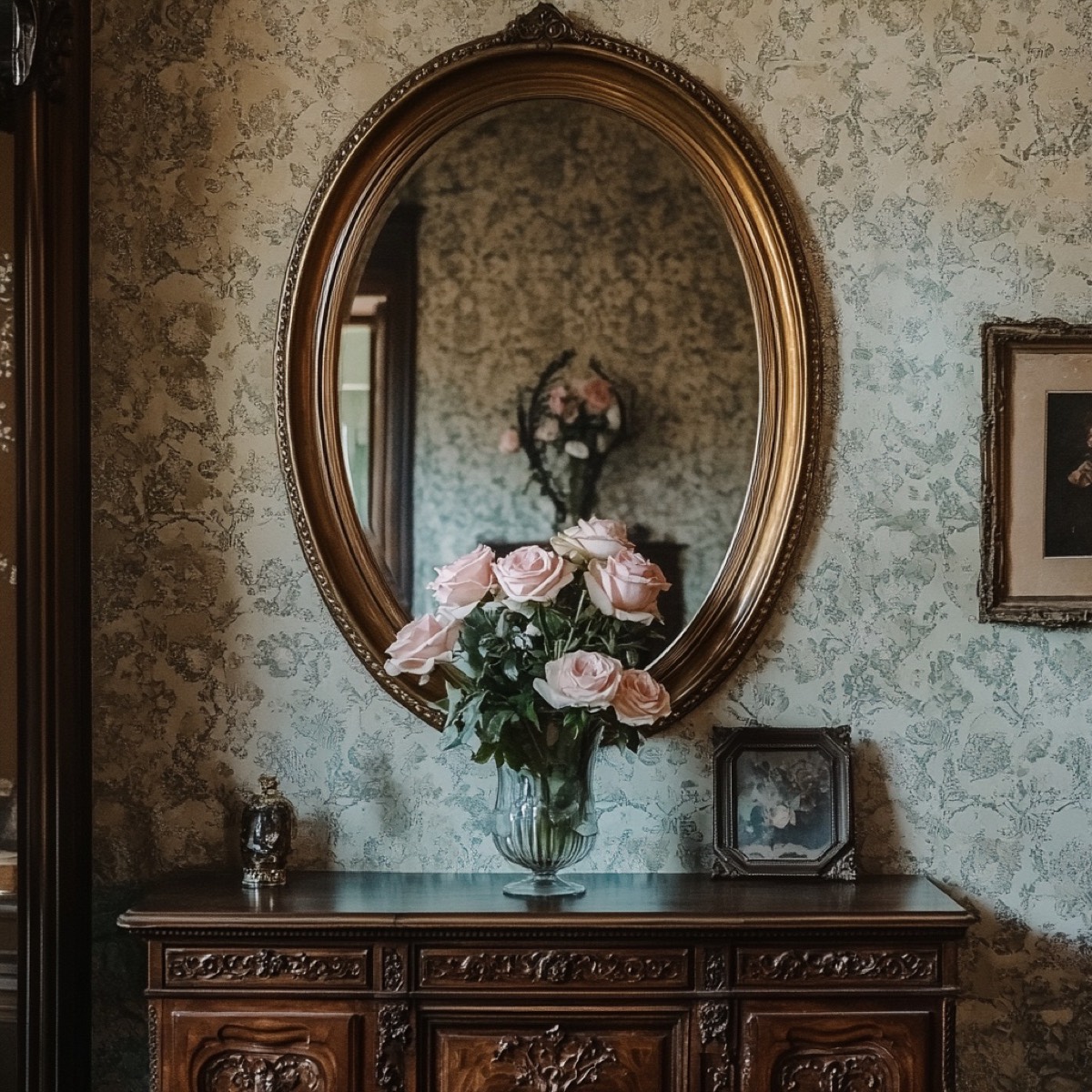
Reclaim your eye.
Twelve ways of looking at a thing: line, proportion, silhouette, texture, light, patina, the maker's hand. We widen the eye — we do not judge. Twelve weeks, after which the walk home looks different.
WHAT IT IS — AND WHAT IT ISN'T
An expert sees more — and receives more from the same thing.
It is a rare finding from neuro-aesthetics: as you learn to see, you literally begin to take more joy. We do not sell knowledge — we sell a deepening of the experience. Not an appraiser's course, not art history: prices are never spoken here at all.
First the look, then the words
Every lesson begins with a thing and silence: you look for three minutes — and only then the reading. Language comes after the experience.
One object — for a long time
The trained eye grows from depth, not from quantity. The opposite of the feed: not a hundred things quickly, but one — attentively.
The task — into life
A lesson ends with an invitation, not homework: "find one living line — a railing, a cup, a shadow." No checks, no exam.
TWELVE WAYS OF LOOKING
Line
The living and the dead line; the hand and the template.
Proportion
It "sits right" or it doesn't — without any formulas.
Silhouette
The thing as a shadow; the era read by its contour.
Texture
The surface under the fingers of the eye.
Light
How a thing takes light; objects made for lamplight.
The Colour of Time
Patina as a palette; verdigris cannot be bought.
The Maker's Hand
The trace of the tool; the hand told from the stamp.
Rhythm & Ornament
The breath of a pattern; ornament as the code of an era.
Material
How wood, metal and bone age each in their own way.
Construction
Seams and the underside; a drawer tells more than a façade.
Trace & Wound
What to mend, what to keep as it is; the kintsugi eye.
The Whole
All the ways of looking into one — "now you see."
WHERE IT BEGINS
"The Look"
The thing of the week and a reading, "10 minutes with one object" — in the Journal. The door into the school.
"Twelve Ways of Looking"
Twelve letter-lessons by post. Whether it is paid or folded into the Club will be decided by the response to the column.
Re-read the Cabinet
The lessons return you to your scanned things with a new eye. The school looks inside the instrument.
WHY
Beauty is the only thing you cannot scroll past.
To learn to see beauty is to learn to be attentive at all. AI will draw anything — but this had no maker. The school teaches you to see the difference.
 CURATOR