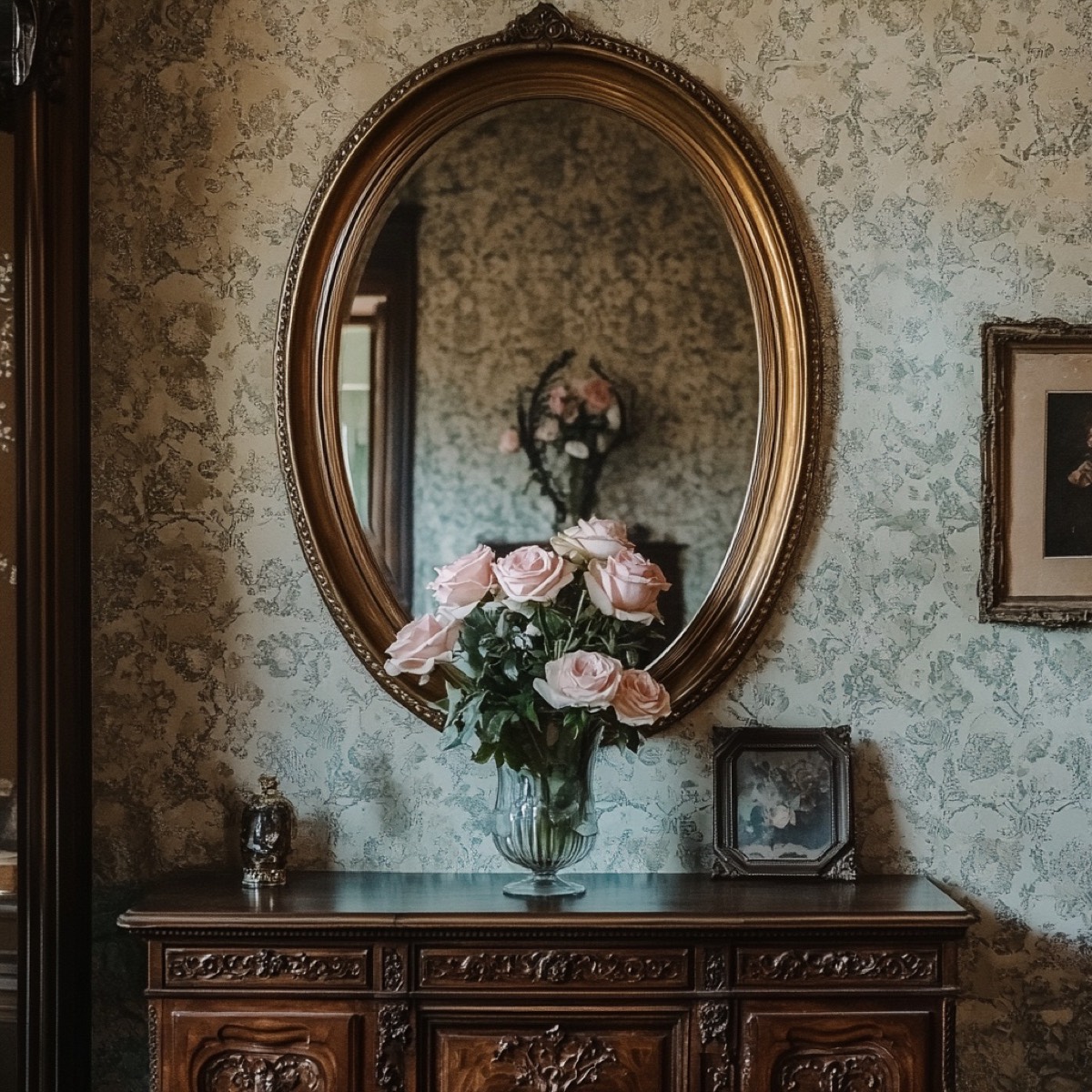
The future — the memory of objects becomes digital.
A blockchain passport, digital twins and virtual exhibitions: what we build by hand now — the passport, provenance, collections — will take on an unchangeable digital form.
DIRECTIONS
Blockchain provenance
A chain of ownership that can't be rewritten after the fact. This grows out of the object passport already kept by hand in the Cabinet.
A digital twin
An exact copy of an object in digital form: a certificate of authenticity and a model of the object in one. The original stays an object — the twin holds its data.
Virtual halls
A collection can be walked through without gathering it in one place: 3D scans drawn together into a hall, open from anywhere.
A long memory
A format that outlives its medium. The point isn't novelty, but that a legacy can still be read a hundred years from now.
BY HAND FIRST — DIGITAL LATER
The foundation first. The form later.
We don't start from a technology and bend the meaning to fit it. Passport, provenance, collections are built by hand already — on paper and in the Cabinet. When the technology matures, this foundation will take on an unchangeable digital form. Not sooner — and with no promised dates.
The foundation — now
The object passport, the chain of ownership and the collection accounts work today. This isn't a mock-up of the future, but its footing.
The form — as it matures
We take up blockchain, twins and halls when they make memory more reliable, not louder. The technology follows the meaning, not the other way round.
Without the hype
A metaverse-as-a-promise is not something we need. We need one thing: that an object can be read and passed on — on any medium, in any decade.
TIES ACROSS THE ECOSYSTEM
Object passport
The footing of the future already works: provenance and the collection are kept in the Cabinet today.
Heritage Patronage
The long memory of objects continues the mission: to preserve, and to pass on.
Antiq Index
The market in numbers — part of the same digitisation, only already begun.
 CURATOR