Why patina is a biography, not a flaw
A new thing is easy to love and easy to forget: it has no past to hold on to. An old thing is harder to love — it arrives marked by someone else's life. A scratch on the tabletop, darkened gilding, a worn corner of morocco. The market calls this “wear” and lowers the price. We call it a biography — and we read it.
Patina is time made visible. Bronze darkens where palms have touched it; oak fades where, for forty years, light fell from the same window. An object remembers the home it lived in. To strip the patina is to strip the memory: a piece polished “as new” falls silent.
Honesty here matters more than beauty. In the meaning card we don't write “condition: good,” but what we know and what we don't: where the upholstery is original, where the gilding was redone, what the hallmark keeps to itself. A buyer who is told the truth about a scratch trusts the price as well.
So in the NEW ANTIQ standard the patina is not what you hide with light and angle. It is what you light first.
READ ON
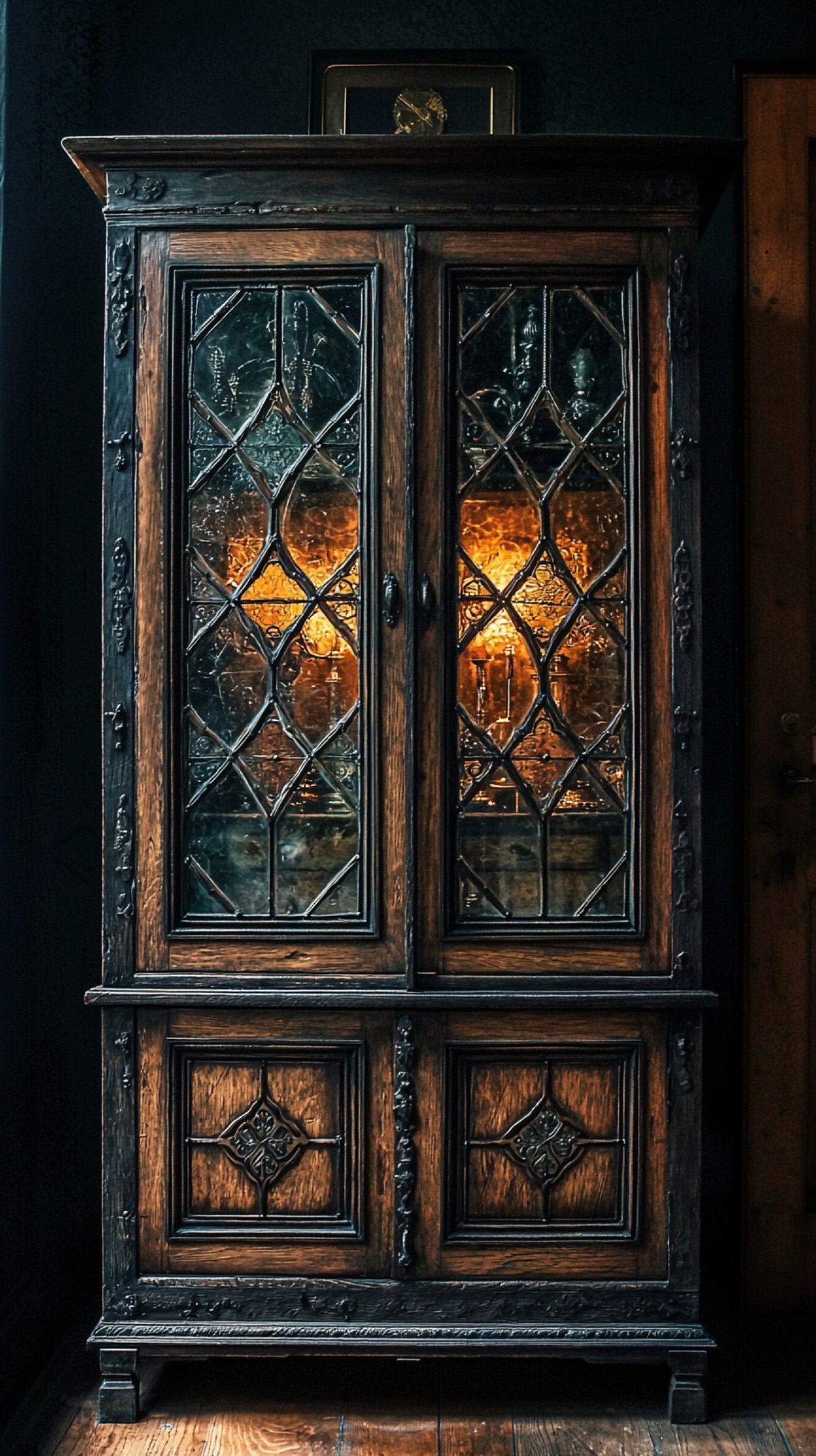
A chest of drawers that outlived three homes
How to read a maker's hallmark
 CURATOR